
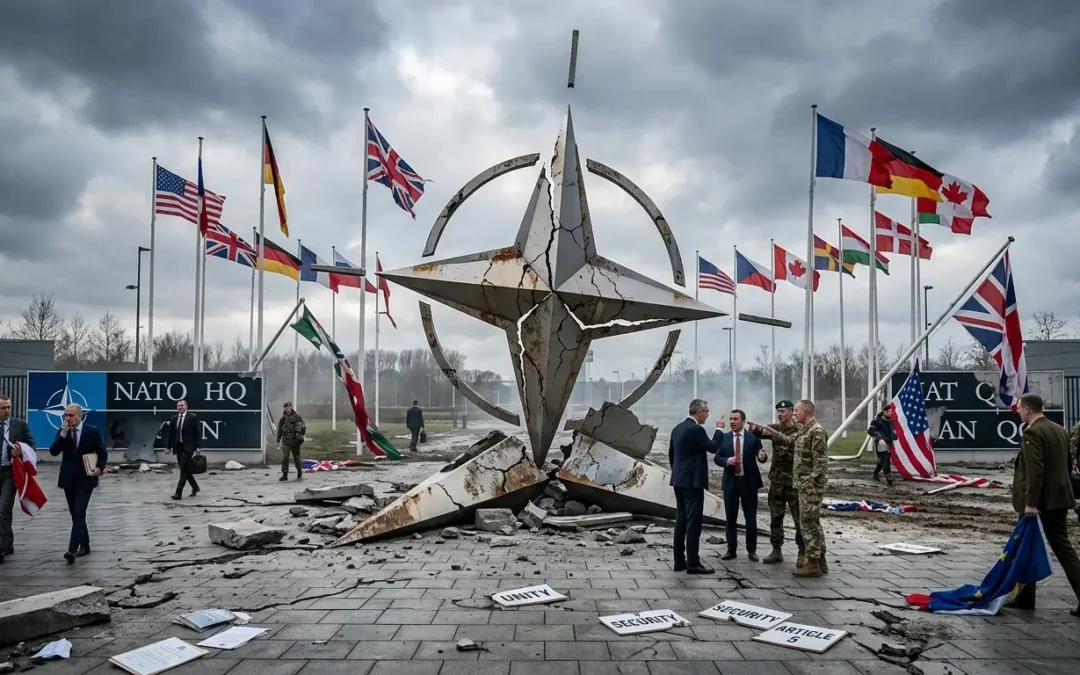
The Core Conflict: Lack of Allied Support
The discussion begins with the observation that despite the U.S. asking for minimal assistance—specifically the use of airspace and airbases rather than combat participation—not a single NATO ally stepped up to support the effort against Iran.
The "Two Sides" of the Argument
The speakers outline why this breakdown in cooperation occurred:
- The NATO Perspective:
- Bad Blood: Allies feel slighted by previous rhetoric from the Trump administration regarding NATO’s utility.
- Lack of Consultation: Allies argue they weren't consulted before the U.S. initiated these actions.
- The U.S. (Trump) Perspective:
- Operational Security: The administration withheld information to prevent leaks.
- The Element of Surprise: Consultation often leads to intelligence compromises, which the U.S. could not risk given the sensitive nature of the mission.
Specific Incidents of Non-Cooperation
| Location | Issue | The Specific Constraint |
| Sigonella, Italy | Landing Rights | A 1954 agreement requires consultation before landing aircraft with munitions (like the B-52s involved). Italy denied landing rights based on this provision. |
| Spain | Overflight Rights | Spain denied the U.S. use of its airspace. Unlike the Italy situation, there is no specific 1954-style agreement cited that justifies blocking a simple overflight. |
| Diego Garcia | Act of War | Iran launched missiles toward Diego Garcia (a joint UK-US base). Though intercepted, the speakers argue this constitutes an act of war against the UK that should have triggered a stronger response. |
The Future of NATO
The conversation concludes by questioning the modern necessity of the alliance.
- The "Friendship" Analogy: If a friend refuses to help you when you are in need, why should you feel obligated to help them when they are short on funds next week?
- The Policy Question: If the U.S. cannot expect basic cooperation (like airspace access) during a conflict, is there any reason to remain in the alliance? The speakers suggest that perhaps NATO should be re-evaluated on a country-by-country basis.
